6 Hip Stretches to Relieve Pain and Improve Mobility
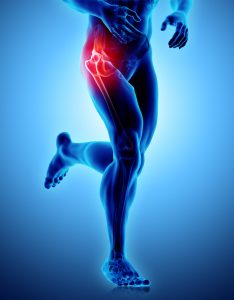
If you’re struggling with hip stiffness or pain, gentle stretching can make a big difference. These six hip stretches to relieve pain are safe, effective, and can be done at home.
Inflexibility of the hips is one of the biggest causes of my clients chronic pain. Time and time again I see desk or driving work, post-pregnancy or lots of running and cycling creating lots of tension around your hip muscles. These muscles tend to get neglected but in fact tightness in these muscles can be a huge contributor to chronic lower back, thigh and knee pain.
Book a consultation if your hip pain is persistent or limiting your activity.
FAQs
Q1: Are hip stretches safe for everyone?
Stretches are safe if performed slowly and gently, but you should stop if you feel sharp pain. If hip pain persists, book a professional assessment to rule out injury or damage.
Q2: How often should I stretch my hips?
If they have become tight, daily or twice daily stretching is recommended for fast gains in mobility. Especially after sitting for long periods or vigorous exercise. Performing the stretches below a couple of times a week will help maintain flexibility and prevent joint stiffness and pain.
Q3: What if stretching doesn’t relieve my hip pain?
Persistent pain could mean underlying issues like persistent inflammation or muscular imbalances and strains. Ensure you are stretching the opposite hip as well. For chronic problems, its common for the ‘pain-free’ side to be more tight than the painful side! At Marlow Sports Therapy, we can identify the cause and guide your recovery.
The 6 Best Hip Stretches for Pain Relief
These stretches are commonly prescribed by sports therapists and physiotherapists to reduce tension in the hip flexors and gluteal muscles.
The stretches will be most effective after any exercise, holding each one for at least 30 seconds. Repeat on both legs! I’d recommend doing them 3/4 times per day if you have an issue. First and last thing at night and after exercise or after being sat down for long periods.
An effective stretch will be ‘comfortable’ to perform. Experiencing discomfort initially can be okay but on no account should it be painful. If any of these stretches recreate your symptoms DON’T do them – they are not for you!
Rectus Femoris (the 4th Quad Muscle)
If you could only do one stretch, not knowing what your problem is, I would choose this one. Only because it tends to be very tight in 80% of people I see and can be a direct cause of anterior knee pain and THE indirect cause of lower back pain. The key to this stretch is pulling in your core and not allowing the lower back to arch or front of hips to drop when fully bending the knee – see end of video. The stretch needs to be felt down the front of hips. If needed, bend the standing leg to feel a stronger stretch. AS with any stretch or exercise – if it’s recreating your pain DON’T DO IT or try in a different position. Get advice from a professional if unsure.
Tensor fascia latae (TFL)
This muscle is the ‘jack of all trades’ at the front of the hip. It assists in flexion, internal rotation and abduction of the hip. To stretch it effectively you need to move into all 3 planes of movement. It can get very tight in cycling and running and then sitting a lot means it stays tight. Weak hip flexors and quadriceps often make this muscle over-compensate and get chronically tight. It can go into acute spasm if you ‘miss a step’ and jar your leg/torso , creating searing pain down the thigh.
Gluteus Muscles (Group)
There is actually 3 stretches in this video as the different angles will stretch different part of your gluts (backside) and other posterior hip muscles. Time and time again I see tightness in these muscles lead to lower back or knee pain. The hip rotator muscles tend to get very tight simply because we don’t rotate our hips that much as adults. Running and cycling are primarily 1-dimensional hip activities (forward & back movements) so the rotator muscles tend to get tight through lack of use.
However, some hip rotation is VITAL for all movements. A lack of hip rotation potentially means ‘shearing’ forces being transferred to either the lower back or knee, causing chronic pain.
Pulling the foot round in 2nd and 3rd part of stretches below is key to getting the rotation force need to stretch the ‘rotator’ hip muscles.
Hip flexors
A sedentary lifestyle with too much sitting can weaken and tighten this muscle. It can then refer pain into the lower back
Piriformis and other external hip rotators
These are major stabilisers of the hip joint and laterally rotate or turn-out the feet. Tightness can lead to hip and/or buttock pain. Stretch on the floor like this.
If muscles are tight I’d recommend doing the stretches 3-4 times per day, holding each one for 40-45 seconds. Ideally stretch when the muscles are warm (after exercise).
Other Causes of Hip Pain
The vast majority of aches and pain from the hips is muscular in origin.* Muscular hip pain can be referred from the Hamstring and Adductor muscles … Tension or repeated strains in these muscles can often mean they are tight/hurting because of over-compensation from dynamic instability through the pelvis. Its prevalent in runners, cyclists and anyone doing repetitive movements or activity.
Its possible your hip pain is not muscular at all, especially as we age. Other causes could be: Hip joint labral tears or chrondral lesions, stress fractures of femur or pelvis, referred pain from SI joint or lumber spine, infections etc. These are ‘Red flags‘ which can be identified and referred to a doctor.
Its also possible that your muscles are so tight that self-stretching is not resolving the problem in which case you would really benefit from booking a sports therapy or sports massage session to resolve the issue. Acute pain may mean trying to do these stretches yourself is too painful. There are adaptations that can and should be made – have a full, personalised assessment with a sports therapist.
The information above is not intended to diagnose or treat a particular individual. Marlow Sports Therapy would always recommend a formal examination by a suitably qualified medical practitioner before undertaking any new exercise or treatment regime.
* Bruckner & Khan, (2007) Clinical Sports Medicine (3rd Ed.); Simons & Travell, (1999) Myofascial Pain and Dysfunction (2nd Ed.)

 Enter your name and email and request our free ebook: 7 Habits of Highly Effective Runners